
A tidy home supports a tidy mind, and a good clean is the finishing step after sorting and decluttering. Cleaning comes in several flavours, each suited to a different moment.
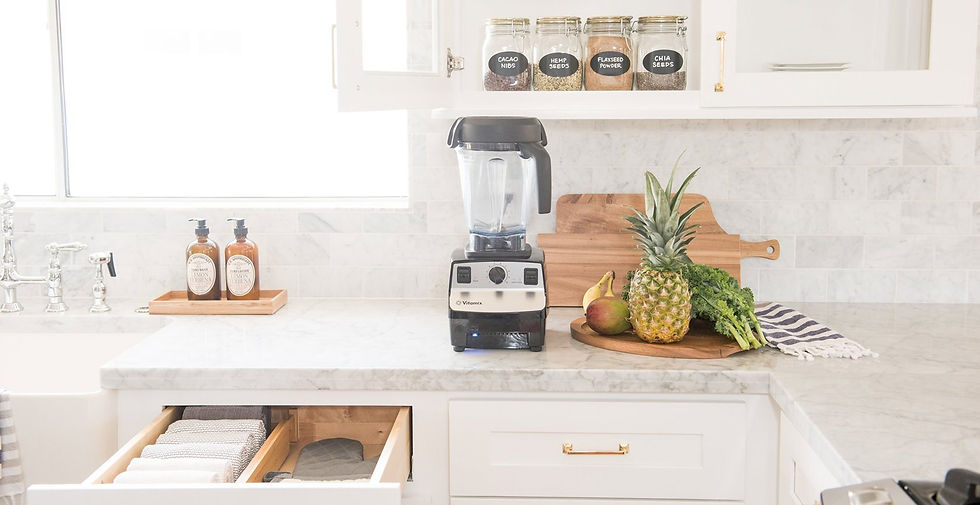
Domestic cleaning
Spring clean. A seasonal top-to-bottom tidy and clean, with close attention to each room. A written checklist keeps the work consistent, and many providers publish one.
Deep clean. Goes beyond the spring clean with oven cleaning, inside windows, blinds or shutters, the inside of kitchen cupboards and bathroom storage, among other extras.
End of tenancy clean. Aimed at tenants leaving a rental. It includes everything in a deep clean plus thorough work on kitchen appliances such as the fridge, furniture, door frames and handles, so the property is returned in good order.
Post-build clean. Construction leaves fine dust everywhere. This clean covers walls, surfaces, crevices, floors, windows and sills, fixtures and fittings.
Post-event clean. After a party, a barbecue or a big family gathering, someone needs to tidy, clear rubbish and wipe down furniture. Handing that over lets the host rest.
Laundry. Washing, drying, folding and ironing done on site.
Office cleaning
Spring clean. Often scheduled around the Easter break, after the rush of the early-year workload. It leaves a fresh workplace for the new week.
End-of-year clean. Before shutting up for the festive break, the office benefits from a tidy, a sort and a proper clean: removing dead plants, throwing out broken equipment and scrubbing the communal kitchen floor. It makes the return in January a little easier.
Post-event clean. After the Christmas party, a mixer or a workshop, there is often debris such as name tags and napkins to clear. Venues that host events regularly may want this support often.
Key holding
If you are out all day, you may prefer the cleaner to work while you are away. Reputable providers use a written agreement for this:
- The client completes and signs a key agreement form.
- The cleaner completes and signs one too.
- The key stays the cleaner’s responsibility until it is returned when the job is done.
It is sensible to confirm that staff are referenced and vetted before handing over keys.
Choosing the right clean
If you simply want your home refreshed once the seasons turn, a spring clean is usually enough. If appliances, windows and cupboards have not been touched for a while, a deep clean covers more ground. For anyone returning a rented property, the end of tenancy clean is designed to match what landlords and agents typically look for. After building work or a big event, the specialist cleans save hours of effort.
Combining cleaning with organising
A clean works best when clutter is out of the way first, because surfaces and floors are far easier to reach. Many people sort and donate unwanted items, then book a clean to finish the job. The result is a space that looks tidy and is simpler to keep that way.
Preparing for a clean
Clear fragile or valuable items from surfaces, decide which rooms matter most, and let the cleaner know about any areas to avoid. Providing a short written list of priorities helps everyone agree on the finished result.
Pair a clean with a clear-out by reading about organising, and check the FAQ for common questions.